What is the Difference Between Upstream and Downstream PCBUs in NZ?
In New Zealand the Health and Safety at Work Act 2015 (HSWA) places duties on every Person Conducting a Business or Undertaking (PCBU). What those duties look like for upstream and downstream PCBUs depends on where each one sits in the supply chain. Knowing which side you're on (and plenty of businesses are on both) tells you which duties you carry and who you need information from.
1. What is an Upstream PCBU?
An upstream PCBU is a business that designs, manufactures, imports or supplies plant, substances or structures for use at work. The term also covers businesses that install, construct or commission plant or structures (HSWA sections 39 to 43). Each one has to ensure that what it provides is without risks to the health and safety of the people who use it, maintain it or work near it so far as is reasonably practicable.
Examples of Upstream PCBUs
- Designers: Engineers, architects and anyone else who designs plant, substances or structures used at work.
- Manufacturers: Companies producing equipment or substances used in workplaces.
- Suppliers: Businesses that sell, lease or hire out plant, equipment or chemicals for use at work.
- Importers: Organisations bringing products into New Zealand for workplace use.
Upstream PCBUs have to carry out (or arrange) the calculations, analysis, testing or examination needed to make what they provide safe, then give the people receiving it adequate information about its purpose, the test results and the conditions for safe use. PCBUs that install, construct or commission plant or structures carry a parallel duty under section 43 for the way that work is done.
2. What is a Downstream PCBU?
A downstream PCBU is a business that uses, operates or manages the plant, substances or structures provided by upstream PCBUs. It's responsible for managing the risks that come with using them at its own workplace.
Examples of Downstream PCBUs
- Operating PCBUs: Businesses using machinery, tools or substances in their own operations.
- Contractors: Self-employed people or companies (each a PCBU in its own right) working with equipment or products supplied by others.
- End Users: Workers and operators who handle equipment or substances directly aren't PCBUs themselves (HSWA section 17). They're the people the downstream PCBU owes its duties to, with their own duty under section 45 to take reasonable care and follow reasonable instructions.
Downstream PCBUs need to make sure what they've been supplied is used safely and in line with the upstream PCBU's instructions, with workers trained to use it and equipment maintained so the controls keep working.
3. Key Differences Between Upstream and Downstream PCBUs
Upstream PCBUs focus on providing safe plant, substances and structures, while downstream PCBUs make sure those items are used safely at work.
- Responsibilities: Upstream PCBUs are responsible for safety during design and supply, while downstream PCBUs manage safety during use and operation.
- Focus: Upstream PCBUs deal with product integrity, while downstream PCBUs focus on implementation and risk management.
- Overlap: Where both have a duty on the same matter, HSWA section 34 requires them to consult, cooperate and coordinate so far as is reasonably practicable.
4. Legal Responsibilities Under HSWA
Both upstream and downstream PCBUs must comply with HSWA duties, including:
- Consultation and Coordination: Working together to manage shared risks effectively.
- Providing Information: Upstream PCBUs must give adequate information, including safety data sheets (SDS) for hazardous substances, instructions and warnings, while downstream PCBUs must make sure workers understand and follow them.
- Monitoring and Review: Upstream PCBUs must make reasonable efforts to give current relevant information when asked, while downstream PCBUs must review their control measures when they stop working or something changes.
5. Best Practices for Managing Responsibilities
For Upstream PCBUs
- Conduct thorough safety testing and risk assessments during design and manufacturing.
- Provide clear and accessible user instructions and hazard information.
- Stay informed about regulatory changes and emerging safety standards.
For Downstream PCBUs
- Train workers on the safe use of products and equipment.
- Inspect and maintain machinery and tools regularly.
- Report issues or hazards related to upstream products to suppliers or manufacturers.
6. Common Challenges and Solutions
The interface between upstream and downstream PCBUs is where gaps tend to open up, for example:
- Inconsistent Communication: Miscommunication between PCBUs can lead to safety gaps. Solution: Establish clear channels and document agreements.
- Neglected Maintenance: Downstream PCBUs failing to maintain equipment provided by upstream PCBUs can increase risks. Solution: Implement regular inspection schedules and feedback loops.
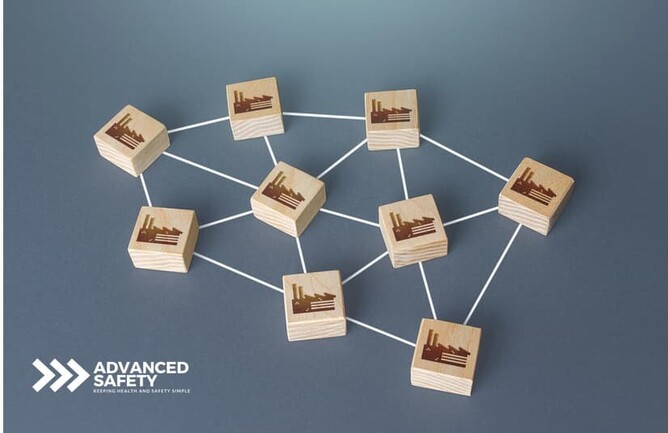
- Complex Supply Chains: Identifying all PCBUs in multi-layered supply chains can be difficult. Solution: Map supply chains and define roles clearly.
7. Conclusion
Whichever side of the supply chain you sit on, the duties only work when information moves both ways. Upstream PCBUs make what they provide as safe as they reasonably can and tell people how to use it, downstream PCBUs act on that information and report back when it doesn't match what happens at the coal face. Where both have a duty on the same matter, section 34 expects them to consult, cooperate and coordinate.
Upstream PCBU and downstream PCBU duties in practice
Upstream and downstream are working labels, not terms the Act defines. They describe where a business sits in the chain once you've worked out what counts as a PCBU. A fabricator that imports steel, builds a platform and installs it on a client's site is downstream of the steel supplier and upstream of everyone who climbs onto that platform.
If you're an upstream PCBU
Your role is to take the risk out before the product, design or structure leaves your hands. The downstream PCBU shouldn't be left managing a hazard you could have designed out. Sections 39 to 42 cover designers, manufacturers, importers and suppliers of plant, substances or structures. Section 43 adds the PCBUs who install, construct or commission plant or structures, who have to ensure the way they do that work leaves it without risks so far as is reasonably practicable.
Your duty doesn't end at the invoice either. If someone using the item asks, you have to make reasonable efforts to give them current relevant information about it. That's the legal floor and good suppliers go well past it, looking for how their product is actually being used, keeping track of the faults customers report and updating their instructions or design when the field tells them something the test bench didn't.
Practically that means talking to the businesses that use your product before problems surface, documenting safe use in language a worker will actually read and setting a regular review of each product line that takes in customer feedback and changes in standards.
If you're a downstream PCBU
Your role is to manage the risk of using what you've been supplied at your own workplace, with your own workers and in conditions the designer may never have pictured. The General Risk and Workplace Management Regulations 2016 set out how: identify the hazards, eliminate the risk where reasonably practicable and where you can't, minimise it using the hierarchy of controls in regulation 6, working down from substitution, isolation and engineering controls to administrative controls and then PPE.
Regulations 7 and 8 then require you to keep those controls effective and to review them. A guard that's been bypassed or a pump that's overdue for service is a control that has quietly stopped working. Set inspection and servicing intervals from the manufacturer's information and look at them again after any incident, change or worker concern.
Two common problems for downstream PCBUs are thin information from suppliers and tight budgets. If the instructions or safety data sheet don't tell you enough to manage the risk, ask the supplier in writing, as they have to make reasonable efforts to give you current relevant information on request. Where money is short, put it into the highest risks first and write down why you made that call.
Why upstream and downstream PCBUs need information that moves honestly
In my book Raise the Standard I set out S.A.F.E.T.Y. as the architecture behind good safety leadership. The F stands for Feedback, meaning information that moves honestly. Most leaders picture that inside their own business, between the frontline and the boardroom. A supply chain needs exactly the same thing, with the added difficulty that the information has to cross from one organisation into another.
When did your business last tell a supplier its equipment was being used differently from the manual? When did a supplier last tell you about a fault another customer had found? If neither has happened, the duties on both sides are probably sitting in two separate filing cabinets.
What it takes is a named contact at each end of the relationship, an agreed way to report a product problem and a reply that actually comes back. I'd set that up when the supply relationship starts, well before an incident forces the conversation.
If you want to check whether your own system holds up beyond the paperwork, the free Compliance Compass Self-Check gives you a quick view of where your health and safety system really stands.
Frequently Asked Questions About Upstream and Downstream PCBUs
Who is an upstream PCBU under HSWA?
An upstream PCBU is a business that designs, manufactures, imports or supplies plant, substances or structures for use at work. The term also covers businesses that install, construct or commission plant or structures, with the duties set out in sections 39 to 43 of the Health and Safety at Work Act 2015. Each must ensure that what it provides is without risks to the people who use it or work near it so far as is reasonably practicable.
What does a downstream PCBU have to do?
A downstream PCBU has to manage the risks of using the plant, substances or structures it has been supplied with. Under the General Risk and Workplace Management Regulations 2016 that means identifying the hazards, eliminating risks where reasonably practicable and otherwise minimising them through the hierarchy of controls, then keeping those controls effective and reviewing them. It should use the upstream PCBU's information and ask for more when it isn't enough.
Can a business be both an upstream and a downstream PCBU?
Yes, plenty of businesses sit on both sides of the chain. A business that buys in components, builds equipment and installs it at a client's site is downstream of its own suppliers and upstream of the client's workers. Where more than one PCBU has a duty on the same matter, section 34 requires them to consult, cooperate and coordinate so far as is reasonably practicable.
About the Author

Matt Jones is the founder of Advanced Safety and a HASANZ-registered health and safety consultant. He's a Professional Member of NZISM and holds a Graduate Diploma in Occupational Safety and Health.
He guides contractors through Tōtika prequalification and helps principals build contractor management that tests what happens on site, not just what's in the folder. He's the author of Raise the Standard: Why Good Organisations Go Blind and How Leaders Restore Visibility and hosts the Health & Safety Unplugged podcast.
He founded NZHSP and produces the Safety Summit.
Keep reading
Tōtika and contractors
Getting ready for Tōtika or engaging contractors who hold it?
A Tōtika pass opens the door to tender, however a pass built on paperwork nobody uses won’t protect your people once the work starts. Advanced Safety works with contractors and with the businesses that engage them, starting from what’s really happening on site.
Read the First Rescue Tōtika case study.
Latest update: 5 November 2026