Contractors have a big part to play in keeping a workplace safe, particularly in high-risk industries like construction where one site can carry multiple hazards at once. Every contractor needs to understand their health and safety responsibilities so they comply with New Zealand’s legal framework and keep the working environment safe. From meeting the law to running risk assessments and emergency response plans, every contractor has to take proactive steps to protect themselves and others on the job.
So, what are the contractor health and safety responsibilities?
Here’s what you need to know.
Understanding Contractor Health and Safety Responsibilities
Workplace safety is a shared responsibility and contractors have legal duties under the Health and Safety at Work Act 2015 (HSWA). Those responsibilities include:
Identifying and Managing Risks: Contractors must proactively assess potential hazards and put control measures in place to reduce workplace risks.
Providing Safe Work Conditions: Every contractor must make sure safety procedures are followed and protective equipment is used correctly.
Training and Supervision: Workers need proper training in workplace safety procedures to prevent accidents.
Compliance with Legal Standards: Contractors must meet HSWA, the regulations made under it and any industry-specific safety requirements.
Failing to meet these obligations can lead to serious legal and financial consequences.

Understanding Health and Safety Legislation for Contractors
New Zealand's Health and Safety at Work Act 2015 (HSWA) places a duty of care on contractors to take all reasonably practicable steps to protect themselves and others. Meeting those legal obligations keeps workplace accidents down and keeps the site safe for everyone on it.
Key Aspects of Health and Safety Law for Contractors
Primary Duty of Care: Contractors must identify and control the risks that come with their work.
Risk Management: Putting hazard control measures in place is how a contractor stays compliant with health and safety regulations.
WorkSafe NZ Regulations: Contractors must meet industry-specific safety requirements. They must also notify WorkSafe of any notifiable event.
Understanding and complying with these regulations helps contractors avoid fines, legal action and reputational damage.
Developing a Risk Assessment Plan for Contractors
A well-structured risk assessment plan is the backbone of managing health and safety responsibilities. Contractors should carry out thorough risk assessments to identify potential hazards and put the right safety measures in place.
How to Conduct a Risk Assessment
Identify Hazards: Walk the worksite looking for risks such as moving machinery, working at heights and hazardous materials.
Assess Risks: Work out the likelihood and impact of each hazard you’ve identified so you can prioritise safety measures.
Implement Controls: Introduce control measures such as PPE, safety barriers and hazard communication protocols.
Monitor and Review: Review and update risk assessments regularly to pick up new hazards.
A solid risk assessment plan supports compliance and significantly reduces the likelihood of workplace incidents.

Contractors’ Duty of Care: What It Means
Contractors are legally obliged to take reasonable steps to look after their own safety and the safety of the people working around them. Duty of care includes:
Providing Safety Equipment: Contractors must supply personal protective equipment (PPE) such as helmets, gloves and high-visibility clothing.
Training Workers: All employees and subcontractors should get thorough safety training before they start work.
Ensuring a Safe Worksite: Contractors must monitor their worksites to head off potential safety hazards.
Contractors who don’t meet these obligations risk serious legal and financial repercussions.
Maintaining a Safe Work Environment for Contractors
A safe work environment reduces workplace accidents and keeps a contractor compliant with New Zealand safety laws. Contractors should put the following measures in place:
1. Site Cleanliness and Organisation
Keeping the worksite free of debris, spills and obstacles reduces the risk of slips, trips and falls.
Securely storing hazardous materials and tools prevents unnecessary workplace hazards.
2. Regular Inspections and Safety Checks
Frequent safety audits help identify and eliminate potential risks before accidents occur.
Reviewing safety procedures keeps you compliant with HSWA and its regulations over time.
3. Employee and Subcontractor Safety Training
Providing clear guidelines on safe work practices helps prevent accidents.
Encouraging safety awareness among workers builds a proactive workplace safety culture.
A well-maintained work environment protects workers, minimises downtime and lifts productivity.
Emergency Response Plans for Contractors
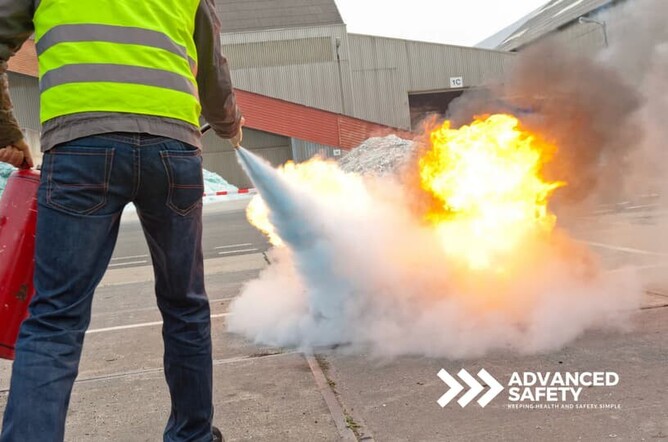
Emergencies can happen at any time and contractors need to be ready to handle them effectively. A comprehensive emergency response plan includes:
Fire and Evacuation Procedures: Clearly marked exits, fire extinguishers and emergency meeting points.
Medical Emergencies: Access to first aid kits and trained people to respond to injuries.
Incident Reporting: Procedures for documenting and investigating accidents to stop them happening again.
Regular emergency drills make sure every worker is familiar with the response procedures and that reduces panic and confusion during a real emergency.
The Role of WorkSafe NZ in Contractor Safety Compliance
WorkSafe NZ is responsible for monitoring workplace safety and making sure contractors meet their health and safety responsibilities. Contractors must:
Register and Report Incidents: Notifiable events (deaths, notifiable injuries or illnesses and notifiable incidents) must be reported to WorkSafe NZ. Record and look into near misses too.
Comply with Safety Inspections: WorkSafe NZ inspectors carry out site inspections, often unannounced, to assess safety compliance.
Follow Industry Guidelines: Contractors must follow the regulations made under HSWA and the WorkSafe NZ guidance for their industry.
Failing to comply can lead to hefty fines, project shutdowns and reputational damage.

Working with Clients and Lead Contractors
Contractors must work with clients and lead contractors to keep the whole site safe and compliant.
How to Ensure Effective Collaboration
Clear Communication: Contractors must talk through health and safety expectations with clients before starting work.
Safety Coordination Meetings: Regular meetings with lead contractors keep everyone aligned on safety practices.
Compliance with Client Policies: Contractors should understand the client's health and safety protocols and build them into their own work.
With a collaborative safety culture in place, contractors, clients and lead contractors can keep the work environment secure and efficient.
Conclusion: Prioritising Contractor Health and Safety Responsibilities
Understanding and meeting contractor health and safety responsibilities keeps a workplace safe and legally compliant. Contractors need to take proactive steps to assess risks, put safety measures in place and work closely with clients and regulatory bodies like WorkSafe NZ.
By building a culture of safety, businesses can protect workers, prevent accidents and comply with New Zealand’s workplace safety regulations. Investing in proper training, risk assessments and emergency preparedness is the key to a safer and more efficient work environment.
Contractor Health and Safety and the Gap Between Safe and Verified
In my book Raise the Standard I argue that integrity only gets tested when holding the line starts to cost you something, whether that’s an awkward conversation, a confrontation or a delay to the job. The most dangerous sentence on a site usually comes from an honest person with a reasonable-sounding explanation for why the work is fine the way it stands.
That gap between “is safe” and “verified safe” is where contractor health and safety actually gets decided. An experienced contractor telling you a job is fine isn’t the same as anyone having checked it. The useful question for a principal or a lead contractor is what they’ve seen with their own eyes and not what they’ve been told.
If you’re a director or officer of a business that relies on contractors, the free Officer Due Diligence Check shows how well you can verify what’s really happening on your sites.
Frequently Asked Questions About Contractor Health and Safety
What are a contractor’s health and safety responsibilities in New Zealand?
A contractor who runs their own business is a PCBU under the Health and Safety at Work Act 2015 and has a primary duty of care to ensure the health and safety of workers and others so far as is reasonably practicable. In practice that means identifying and controlling risks, training workers, supplying PPE and having emergency plans ready.
Who is responsible for contractor safety on a shared worksite?
Every PCBU on the site shares the duty, including the client, the lead contractor and each subcontractor. Section 34 of HSWA requires them to consult, cooperate and coordinate activities with each other so far as is reasonably practicable.
Do contractors have to report incidents to WorkSafe NZ?
Yes, a PCBU must notify WorkSafe as soon as possible after becoming aware of a notifiable event arising from its work. That covers a death, a notifiable injury or illness and a notifiable incident, not every near miss.
About the Author

Matt Jones is the founder of Advanced Safety and a HASANZ-registered health and safety consultant. He's a Professional Member of NZISM and holds a Graduate Diploma in Occupational Safety and Health.
He guides contractors through Tōtika prequalification and helps principals build contractor management that tests what happens on site, not just what's in the folder. He's the author of Raise the Standard: Why Good Organisations Go Blind and How Leaders Restore Visibility and hosts the Health & Safety Unplugged podcast.
He founded NZHSP and produces the Safety Summit.
Keep reading
Tōtika and contractors
Getting ready for Tōtika or engaging contractors who hold it?
A Tōtika pass opens the door to tender, however a pass built on paperwork nobody uses won’t protect your people once the work starts. Advanced Safety works with contractors and with the businesses that engage them, starting from what’s really happening on site.
Read the First Rescue Tōtika case study.
Latest update: 5 November 2026